The financial services industry must improve collaboration with third party suppliers to improve cyber security practices and technology at the build stage, according to speakers at Sibos 2021, which began online yesterday.
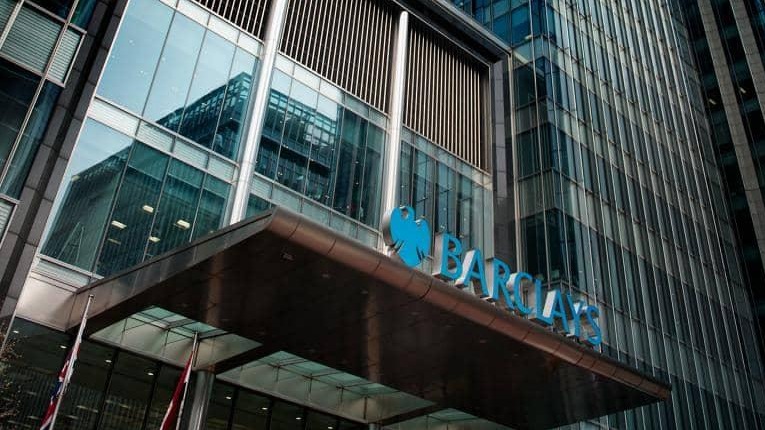
Tim McNulty, group chief security officer at Barclays said the presence of threats such as the SolarWinds cyber attack made it “obvious” that the sector should “adopt a more collective approach” in sharing security knowledge and expertise with suppliers to improve security and resilience.
Speaking during a panel discussion on how to defend financial services companies against other security threats based on malicious code hidden in what appeared to be a software update, McNulty said that suppliers “are becoming part of the infrastructure, so they need to be treated as part of the infrastructure”.
“We need to share enough to make sure that we’re both secure,” said McNulty. “This is an industry challenge and it’s not going away. We need to be more comfortable sharing insights and challenging each other.”
His views were echoed by other panellists. Microsoft chief security advisor Lisa Lee suggested that working closely with suppliers could also help banks and other FS companies broaden their thinking on security strategies and deepen their understanding of future threats.
“We need everybody at the table,” she said. “We need diversity of ideas, we need new approaches. It is useful to look back at previous attacks and see what lessons can be learned from those, but we need to think about what attacks are coming. What attacks are we not thinking about that will happen tomorrow? Where will the attackers be focusing?”
Lee also highlighted the perennial problem of ageing legacy systems in the sector, focusing in particular on the potential for them to contain security vulnerabilities. “I’m constantly shocked at the age of some of the software that people are running,” she said.
Both Lee and Kelly Bissell, global security lead at Accenture, suggested that for small and medium-sized suppliers serving the sector could improve their security posture considerably by making more use of mature, resilient cloud technologies.
“If small and medium-sized businesses can move to the cloud they can get better [cyber] hygiene … [and] lower the cost of securing their environment,” said Bissell.


Latest News
-
Gemini to cut quarter of workforce and exit UK, EU and Australia as crypto slump forces retrenchment
-
Bank ABC’s mobile-only ila bank migrates to core banking platform
-
Visa launches platform to accelerate small business growth in US
-
NatWest to expand Accelerator programme to 50,000 members in 2026
-
BBVA joins European stablecoin coalition
-
eToro partners with Amundi to launch equity portfolio with exposure to ‘megatrends’



Creating value together: Strategic partnerships in the age of GCCs
As Global Capability Centres reshape the financial services landscape, one question stands out: how do leading banks balance in-house innovation with strategic partnerships to drive real transformation?
Data trust in the AI era: Building customer confidence through responsible banking
In the second episode of FStech’s three-part video podcast series sponsored by HCLTech, Sudip Lahiri, Executive Vice President & Head of Financial Services for Europe & UKI at HCLTech examines the critical relationship between data trust, transparency, and responsible AI implementation in financial services.
Banking's GenAI evolution: Beyond the hype, building the future
In the first episode of a three-part video podcast series sponsored by HCLTech, Sudip Lahiri, Executive Vice President & Head of Financial Services for Europe & UKI at HCLTech explores how financial institutions can navigate the transformative potential of Generative AI while building lasting foundations for innovation.
Beyond compliance: Building unshakeable operational resilience in financial services
In today's rapidly evolving financial landscape, operational resilience has become a critical focus for institutions worldwide. As regulatory requirements grow more complex and cyber threats, particularly ransomware, become increasingly sophisticated, financial services providers must adapt and strengthen their defences. The intersection of compliance, technology, and security presents both challenges and opportunities.





© 2019 Perspective Publishing Privacy & Cookies
Recent Stories